Coronary Angioplasty & Stents (PCI) in London
Why would I be offered this procedure?
Coronary angioplasty, also known as percutaneous coronary intervention (PCI), is performed when a significant narrowing or blockage in a heart artery is detected — typically during a coronary angiogram or CT scan. This procedure can relieve your symptoms and better protect your heart. Common indications for coronary angioplasty include angina that persists despite medication, a heart attack where emergency angioplasty to reopen the artery is critical, or a significant narrowing that requires treatment before another intervention like TAVI. In many situations, the PCI procedure is conducted concurrently with the diagnostic angiogram, often involving the placement of heart stents to maintain artery openness.
What is coronary angioplasty or PCI?
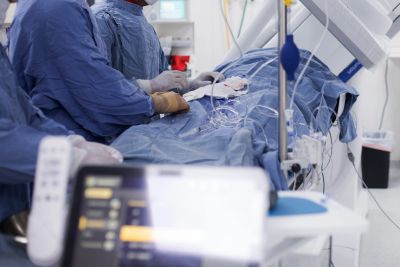
Coronary angioplasty is a keyhole procedure designed to open narrowed or blocked heart arteries. During this PCI procedure, a very fine wire is advanced across the constricted segment. A small balloon is then passed over the wire and inflated, compressing the plaque against the artery wall to restore blood flow. To ensure the artery remains open permanently, a stent — a small tubular metal mesh — is implanted. Modern heart stents, known as drug-eluting stents, gradually release medication that helps prevent re-narrowing of the artery.
This procedure is performed under local anaesthetic, usually accessed through the wrist, and typically lasts 45–90 minutes. Some patients may experience brief chest tightness during the balloon inflation, which is expected and resolves within seconds.
How is the procedure guided?
Not every narrowing in the coronary arteries needs a heart stent, and every stent that is implanted during a PCI procedure should be placed perfectly.
I use additional techniques routinely, not selectively: Pressure-wire measurements (FFR/iFR) confirm whether a narrowing is genuinely restricting blood flow before it is treated, helping to avoid unnecessary heart stents. Intravascular imaging (IVUS/OCT) provides high-resolution pictures from inside the artery, which allows for accurate sizing of the stent and verification of the final result — an approach shown in clinical trials to enhance long-term outcomes. For heavily calcified arteries that standard balloons cannot open during coronary angioplasty, we employ advanced techniques for calcium modification, such as intravascular lithotripsy.
What are the benefits and risks?
Coronary angioplasty is a procedure that effectively relieves angina, enhances exercise capacity, and improves quality of life. In the context of a heart attack, it can save lives and protect heart muscle. This PCI procedure is performed frequently and is considered very safe. While bruising at the wrist or groin is a relatively common occurrence that usually resolves on its own, serious complications such as heart attack, stroke, damage to the artery, or the need for emergency surgery are rare. During your clinic visit, we will discuss your individual risks and expected benefits related to heart stents and provide written information to help you make an informed decision.
What happens after the procedure?
Most patients return home on the same day or after one night post-coronary angioplasty. With the wrist approach in this PCI procedure, you can typically resume normal activities within a day or two, though it's advised to avoid heavy lifting with that arm for about a week. Desk-based work is generally feasible within a couple of days; driving is usually permitted about a week following a planned angioplasty (longer after a heart attack), in accordance with DVLA guidance.
After receiving heart stents, you will be prescribed dual antiplatelet therapy — aspirin paired with a second blood-thinning medication — for a duration tailored to your specific needs. This will be alongside a review of the requirements for long-term management of blood pressure and cholesterol, aimed at reducing the risk of any future narrowing. While the stent effectively addresses the narrowing, prevention is crucial for your future health, which is why every patient receives a clear written aftercare and prevention plan.
Will I feel the stent, and how long does it last?
No — once implanted during a coronary angioplasty, the heart stent cannot be felt. It becomes incorporated into the artery wall within weeks and is permanent. Modern stents used in the PCI procedure are MRI-safe and do not set off airport scanners. Re-narrowing rates with current drug-eluting stents are low, and taking your medication as prescribed is the most important protection.
What if my arteries are not suitable for stents?
Occasionally, angiography reveals conditions that may be better suited for bypass surgery rather than coronary angioplasty. If this is the case, we will discuss your options openly and refer you to a cardiac surgeon through the Heart Team—ensuring that you receive the right treatment for you, whether it be a PCI procedure or the placement of heart stents, rather than simply the most available option.
What experience does Dr Demir have in PCI?
Dr. Demir is a Consultant Interventional Cardiologist practicing at leading Private London Hospitals, with advanced training in coronary and structural interventions in London and Milan. He performs coronary angioplasty and other coronary procedures regularly, operating radial-first and using pressure-wire assessment routinely. This ensures that treatment decisions for heart stents are precise, evidence-based, and tailored for each patient.
Dr. Demir is also one of the consultants delivering emergency heart attack services at the Essex Cardiothoracic Centre, one of the busiest heart attack centers in the UK. He is a vital member of the team providing immediate angioplasty for patients experiencing acute ST elevation myocardial infarction and performing PCI procedures.
How do I book?
To arrange a consultation regarding coronary angioplasty, heart stents, or the PCI procedure, please contact Ms. Melinda Ziff (PA) at 020 3198 9826 or via email at drozandemir.sec@outlook.com.